

The honest answer is: sooner than most couples think.
Many couples wait until things feel unbearable before reaching out for support. By that point, the patterns between them have often become deeply familiar and harder to shift. The good news is that marriage counselling does not have to be a last resort. It works best when it is not.
If you have been sitting with that question of whether now is the right time, this article is for you.
Most Couples Wait Too Long
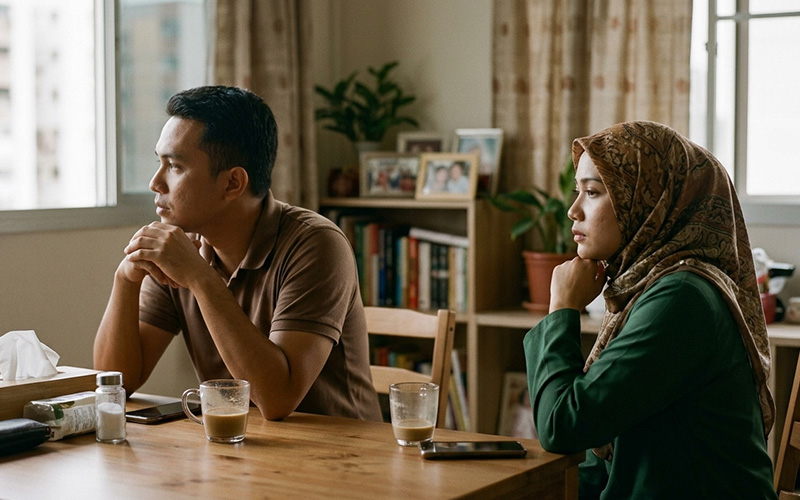
Relationship researcher Dr John Gottman has noted that unhappy couples commonly wait around six years after difficulties first arise before seeking professional help. Six years is a long time to carry recurring conflict, unspoken frustration, and growing emotional distance.
Singapore’s own data tells a similar story. According to the Ministry of Social and Family Development’s Family Trends Report 2025, the median age at divorce in Singapore has been rising steadily, with many couples separating only after more than a decade together. While this partly reflects later marriages, it also points to something that we see in our work at In Focus: some couples often endure difficulties quietly for years, hoping things will improve on their own.
While in some cases, they may lessen in intensity for various reasons, but if it is not arising from intentional effort, unaddressed issues or interaction dynamics do not resolve themselves.
You Do Not Need a Crisis to Seek Counselling
This is perhaps the most important thing to understand. Marriage counselling is not reserved for relationships on the verge of collapse. Couples come to counselling at all kinds of stages, and for all kinds of reasons.
In our work with couples, some of the most common things people bring to sessions include:
Communication difficulties. Conversations that go in circles, or escalate quickly, or simply stop happening. A persistent sense of not being truly heard, even when both partners are trying.
Emotional distance. A quiet drift where the closeness that once felt natural now takes effort, or has faded without either person knowing quite when it happened.
Recurring conflict. The same arguments, the same impasse, the same unresolved tension resurfacing again and again.
Unresolved hurts. Past disappointments or moments where trust was shaken that continue to shape how you relate to each other today.
Life transitions. Becoming parents, navigating career changes, caring for ageing family members, or adjusting to new living arrangements can all shift relationship dynamics in ways that are hard to manage without support.
Wanting to invest in the relationship proactively. Some couples come to counselling because they want to build a stronger foundation before difficulties intensify. This is one of the most valuable ways to use counselling.
None of these require things to have reached breaking point. They are all legitimate and worthwhile reasons to begin.

What the Research Says About Timing

The evidence on timing is clear. Research consistently shows that couples who seek professional support earlier, before patterns become entrenched, tend to experience better outcomes. According to the American Association of Marriage and Family Therapists, around 90% of couples who engage in therapy with a qualified therapist report improvements in their emotional wellbeing, and the majority report greater relationship satisfaction.
What this means in practice is that reaching out while there is still warmth and goodwill between you gives the process the best possible foundation to build from. Counselling is not about repairing something broken. It is about helping two people understand each other more deeply and relate to one another more effectively, at whatever stage the relationship is at.
When Only One Partner Is Willing

It is common for one partner to feel more ready than the other. If your partner is not yet open to coming, that does not mean nothing can be done. Individual relationship counselling can be a valuable starting point, helping you gain greater clarity about your own patterns, needs, and ways of responding within the relationship.
Some of the most significant shifts we have seen in couples begin with one person choosing to do their own work first. When one partner begins to respond differently, the dynamic between both partners may begin to shift too. The other partner may, in time, become more open to joining the process.
You can read more about this in our article on Marriage Counselling and Relationship Counselling for Individuals: Why the Best Relationship Work Starts With You.
What to Expect When You Reach Out to In Focus
So, When Is the Right Time?
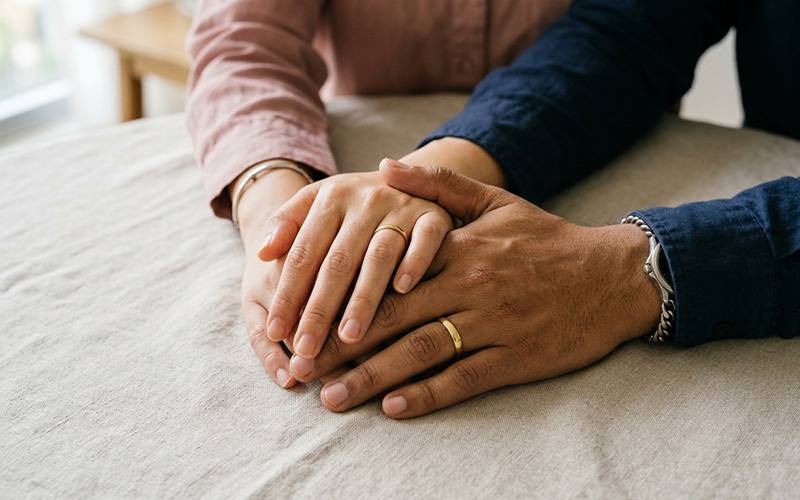
If you are asking the question, it is probably now.
You do not need to wait until things become unmanageable. You do not need a dramatic turning point. What you need is a willingness to take that first step, and we will journey with you from there. We work with couples across all stages of a relationship and from all walks of life, regardless of background, nationality, or the nature of the relationship.
When you are ready, arrange your complimentary consultation call with one of our counsellors here. We look forward to hearing from you.