

You arrive at work each morning, complete your assigned tasks, attend necessary meetings, and leave promptly at five. To outsiders, it might look like disengagement, but for many Singaporean employees, this behaviour represents something far deeper than lack of commitment. This phenomenon, known as “quiet quitting”, reflects a profound search for meaning and balance between professional and personal life.
Understanding “Quiet Quitting” in Singapore
“Quiet quitting” describes the conscious choice to focus mainly on your assigned responsibilities whilst stepping back from additional commitments that extend beyond your job scope and hours. This approach has become more prevalent in Singapore, where research by Randstad reveals that 35% of workers have embraced this mindset, surpassing the global average by 4 percentage points.
What makes this particularly noteworthy is that many professionals are choosing to take care of their mental well-being and set personal boundaries after experiencing sustained periods of overextension. Rather than continuing to compromise personal time and energy at the expense of oneself, individuals are making intentional choices about re-balancing where to invest their time and efforts.

This workplace shift, which gained global attention through social media in 2022, represents more than just a trend. It signals a growing awareness that sustainable professional engagement requires balance between personal well-being and contributions to the workplace. When you find yourself re-evaluating the boundaries between your professional responsibilities and personal life, you’re often responding to important internal signals about what you need to thrive.
The Emotional Journey Behind “Quiet Quitting”

When Betty (not her real name) found herself curled on the floor in panic attacks twice a week during Singapore’s home-based learning period, the secondary school teacher knew something had to change. “We suddenly had to pivot to online learning… in a very short couple of days, push out and create resources from scratch, record ourselves doing online lectures,” she shared with CNA Insider. Despite her dedication, the relentless workload left her “really, really burnt out — very, very depleted.”
Like many teachers who spoke to CNA, Betty’s experience reflects what we often explore in counselling: when the demands of your role far exceed what feels sustainable, stepping back becomes essential for your wellbeing. Her story illustrates the complex emotional journey that many people face. And for some, this leads to what’s now called “quiet quitting” — doing what’s required and what they believe is necessary rather than going above and beyond.
Through our work with helping professionals, we’ve observed that this recalibration rarely stems from lack of care or commitment. Those in the helping profession, like Betty, often enter their profession with genuine passion for making a difference. However, when faced with mounting workload, increasing pressures and duties, or extensive demands arising from workplace politics and concern about “optics” that initial enthusiasm gradually evolves to overwhelming burden. This is particularly so when there is inadequate support, recognition, care and trust at the workplace.
Singapore's Unique Professional Landscape
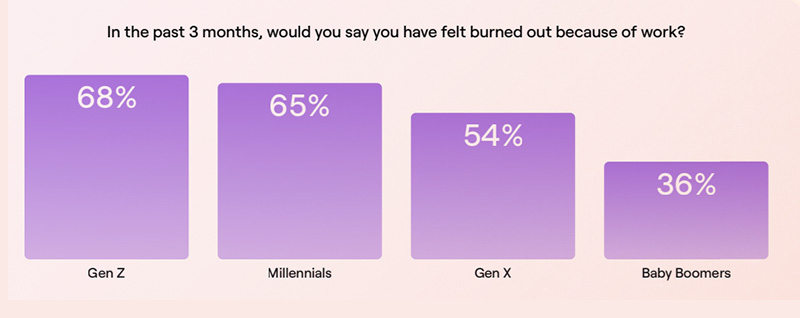
Singapore’s professional environment presents distinct challenges that help explain why “quiet quitting” resonates with many workers. Singapore consistently ranks among the most work-intensive globally, with employees averaging 42.6 hours per week across the Asia-Pacific region. When you consider that 61% of Singaporean employees experience burnout, with Gen Z workers at 68%, the desire to prioritise boundary-setting becomes more understandable.
These patterns create what counsellors recognise as emotional overload: when the energy required to manage workplace demands exceeds your capacity for sustainable engagement. The statistics reveal a concerning picture: 39% of workers feel stressed several days a week, whilst 36% experience stress several days a month.
When professional environments consistently demand more than what feels manageable, “quiet quitting” can emerge as an intuitive response to protect your overall well-being. Understanding this context helps us recognise that stepping back often reflects wisdom about our current limits and priorities rather than weakness or disengagement.
What “Quiet Quitting” Reveals About Your Inner Experience

Rather than viewing this workplace behaviour at the surface level and label “quiet quitting” negatively, it’s helpful to dig deeper to understand what the behaviour is signalling to you about your internal experience and unmet needs. Through our counselling work, we’ve observed several common patterns that often underlie this response.
Disconnection from Personal Values
You might find yourself completing tasks efficiently but feeling empty afterwards, or achieving goals that once felt motivating but now leave you questioning their significance. This often happens when you’ve spent considerable time meeting external expectations without pausing to consider whether these align with what truly matters to you.
This disconnection typically develops gradually. Perhaps you started with enthusiasm and hard work such as working late to demonstrate commitment, accepted additional responsibilities to appear dedicated, actively tried to improve the workplace or processes, or kept unhappiness or dissatisfaction at work to yourself to fit workplace culture. Over time, if these choices were largely made with the hope of gaining external validation, you may end up feeling uncertain and discouraged when external validation and recognition is limited. At the same time, you may have drifted further from your authentic self, values and beliefs.
Unacknowledged Emotional Needs
“Quiet quitting” frequently signals unmet emotional needs: recognition for your contributions, autonomy in how you approach your work, support and care from leaders and colleagues, opportunities for genuine growth, or meaningful connection with your daily tasks. When these needs remain unaddressed, withdrawing engagement becomes a way to protect yourself from continued disappointment and burn out.
You deserve to feel valued, cared for and supported at work and to experience opportunities for growth and development. When these elements are lacking or inconsistent at the workplace, it’s natural to want to seek ways to preserve your emotional energy for areas of life where you feel more valued and fulfilled.
Challenges in Authentic Communication
Many people find it difficult to express their true feelings about work conditions, particularly in Singapore’s results-focused environment. “Quiet quitting” can become a safer alternative to having potentially difficult conversations about workload, recognition, need for support or career development.
Rather than risk being perceived as difficult or uncommitted, you might choose to quietly reduce your emotional investment. Whilst this protects your position and preserves energy, it can also prevent the meaningful changes that might improve your work experience.
Moving from Reaction to Intentional Choice
The decision to focus solely on your assigned responsibilities can have various implications for career development, particularly in environments where going above and beyond is expected. It may also lead to growing internal conflict, especially if you genuinely care for and take pride in what you do and care for your colleagues. However, it’s important to recognise that setting boundaries around your professional responsibilities can also create space for more sustainable long-term engagement.
When you step back from extra commitments, you’re often responding to important information about what you need to thrive professionally. This pause allows you to reassess your goals and the kind of work-life integration you want to achieve. The key lies in making these choices intentionally and responsibly, rather than reactively.
Intentional boundary-setting involves clear communication about expectations within your job scope, caring for your well-being through regular breaks and adequate rest, and seeking support when you need it. By being thoughtful about boundaries, you create space for both professional contribution, teamwork and personal fulfilment.
When “Quiet Quitting” Signals Deeper Concerns

- Withdrawal becomes your primary response to challenges across multiple life areas
- Persistent feelings of guilt or inadequacy despite meeting your professional responsibilities or speaking up for your needs
- Feeling emotionally disconnected from activities you once enjoyed, including relationships with friends and family
- Work-related concerns significantly impacting your sleep, physical health, or personal relationships
- Difficulty envisioning alternative approaches to your current work situation or feeling stuck in negative patterns
A Path Towards Meaningful Professional Engagement
Rather than viewing “quiet quitting” as simply positive or negative, consider this as valuable information about your current relationship with work. It might be indicating that you need to reassess what truly matters in your career, explore whether your workplace values and yours are aligned, or develop ways to manage work-related challenges.
Professional counselling offers a collaborative space to explore these possibilities without pressure to make immediate changes. The goal isn’t to force you back into unsustainable work patterns, but to help you understand your options and make choices that support your overall well-being and personal growth.
At In Focus, this exploration happens through a personalised approach that honours your unique circumstances, beliefs and life experiences. Rather than applying generic solutions, we work together towards deepening understanding of who you are, what you value and the choices you can make.
Finding Your Way Forward

Genuine engagement, whether at work or in life, emerges from alignment between your actions and your authentic self. This alignment develops through honest self-exploration and the gradual building of emotional resilience, self-understanding and developing skills to communicate effectively even in difficult conversations.
At In Focus, we offer face-to-face counselling that provides a safe, supportive environment to explore what lies beneath the surface of your work frustrations. Together, we can develop approaches that support both your professional aspirations and your overall well-being. For those experiencing persistent worry about work performance or anxiety about meeting expectations, individual counselling offers practical skills for managing these feelings whilst exploring the patterns that contribute to work-related stress.
Our process begins with a thoughtful conversation to understand your unique situation and explain how counselling works, ensuring there’s a good match before we begin. This commitment to understanding your specific needs reflects our belief that effective counselling requires genuine partnership and collaboration.
If you’re ready to explore what lies beneath your work-related concerns and develop more sustainable approaches to professional satisfaction, In Focus’s counselling services can provide the compassionate, empowering support you need. Take the first step towards a more fulfilling relationship with work and life through professional counselling that honours your individual journey and potential for growth.