

Many of us experience moments where we question our purpose, direction, and whether our choices truly align with who we are. These thoughts often arise when we realise how much our lives have been influenced by societal norms, family expectations, or peer influence. In a fast-paced world, it’s easy to slip into autopilot—only to end up feeling disconnected or unfulfilled.
The good news is that it’s possible to reconnect with yourself. Meaningful self-reflection can bring clarity, helping you realign your decisions with what genuinely matters to you.
In this guide, we explore how this disconnection happens and how counselling and psychotherapy can support your self-discovery journey. Through this, we aim to help you rediscover your voice and begin living with greater clarity and purpose.
Key Takeaways
- Many people feel lost or disconnected when their life choices are influenced more by external expectations than by personal values.
- A self-discovery journey involves deep reflection to understand what truly matters to you, beyond societal, familial, or peer influences.
- Societal norms, family expectations, peer pressure, and social media can all lead us to make choices that may or may not truly align with who we are.
- FOMO and a tendency to follow trends may result in decisions that feel misaligned or unfulfilling over time.
- Counselling and therapy can empower your self-discovery journey. They offer a supportive space to explore past patterns, clarify goals, and rebuild confidence in your decision-making.
How Have We Come To Live Life Feeling Lost or Directionless?

Adopting External Influences on What Seems the “Right Thing”

Society’s Expectations
From the careers we pursue to the way we measure success, we are constantly exposed to dominant social narratives on what is deemed “acceptable” or “desirable”. When we haven’t been exposed to alternatives, fear being judged for deviating from the norm, or worry about the unknown, we may adopt these societal standards as the only viable path. Over time, we may find ourselves obliged rather than empowered. We may live a life that looks “right” on the outside but feels misaligned on the inside.
Family and Cultural Influence
Family values, cultural norms, and the way we were raised add another layer of influence on how we see who we are and how to make choices. Often, we internalise these perspectives for reasons such as acceptance, approval, safety, and familiarity. Yet we may also adopt them because they do resonate with us. However, living largely by what we internalised as expectations without self-examination leads us to feel uncertain about ourselves and question what truly matters to us. We might begin to question what we genuinely like or dislike and eventually struggle to make independent decisions. This internal conflict can lead to a deep sense of confusion about who we are and direction in life.
Peer Pressure and Social Media Influence
The endless stream of curated content on social media—such as highlight reels of other people’s achievements, lifestyles, and milestones—can leave us feeling inadequate or uncertain about our own path. When we constantly compare ourselves to others, we risk adopting external benchmarks of success that have little to do with our actual values. This may cause us to lose sight of the personal standards we want to set for ourselves.
The Fear of Missing Out and the Influence of Trends
While external influences often have an effect on our perceptions of what we should do, it’s the internal fear of missing out (FOMO) that can quietly drive many of our lifestyle decisions.
Chasing Trends Instead of Purpose
Following trends without intentional reflection may be one of the reasons you’re feeling lost. From the food we eat and the clothes we wear to the careers we pursue or the relationships we seek, it’s easy to be swept up in what’s popular. Sometimes, we knowingly follow trends in the hope of fitting in; other times, we do so without even realising it. But when we don’t pause to ask ourselves, “Is this really for me?”, we risk making decisions that disconnect us further.

Lifestyle Choices: FOMO vs. Finding Fulfilment
When we make life decisions based on the fear of being left out—whether socially, professionally, or personally—we risk living a life motivated more by fear and anxiety than by a pursuit of a fulfilling life. This might mean rushing into relationships, career moves, or lifestyle changes like becoming parents. In and of themselves, there is nothing wrong with entering relationships, changing careers, or setting up a family. It becomes a concern when such choices are made not knowing why we want to, but because “people say so” and we worry about “missing our window”. Repeatedly pursuing the fleeting satisfaction of gaining other’s approval and feeling like we fit in based on doing what others’ do often comes at the expense of genuine, long-term satisfaction and happiness.
The Ease of “Going with the Flow”
Living on Autopilot
When we don’t take time to evaluate our choices, we can slip into autopilot, where we move through life without questioning why we’re doing what we’re doing. This tendency to go with the flow may stem from convenience or a desire to avoid confronting the harder questions about what we truly want. In some cases, it may simply be that we’ve never considered that there’s another way to make decisions—one that’s more intentional and grounded in personal responsibility.
Over time, this pattern can drive us to mindlessly existing, rather than truly living. While the former often results in emptiness or aimlessness over time, the latter brings us closer to feeling energised, fulfilled, and purposeful.
How Can Counselling and Therapy Empower Your Self-Discovery Journey?
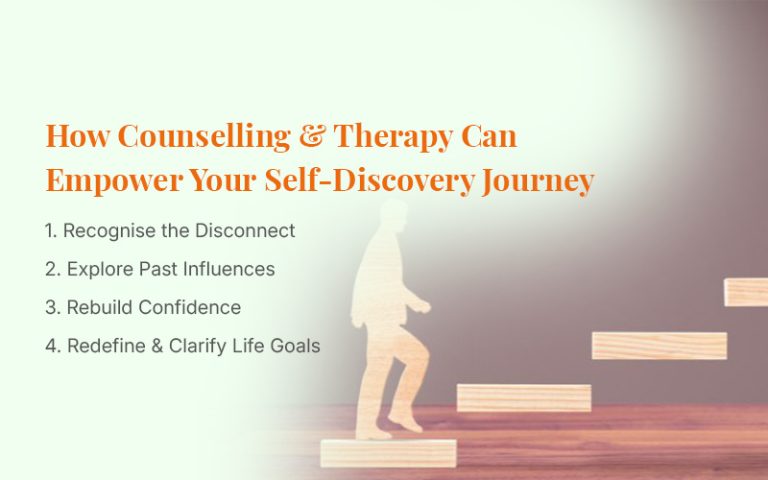
A self-discovery journey often starts with the realisation that the life you’re living may not truly reflect who you are or what you want. You may be experiencing a range of feelings from frustration and anxiety, to envy and jealousy, to hopelessness and despair. Feeling unhappy tells us it is time to pay attention and understand what is wrong. Understanding where this unhappiness lies in and coming to connect with what truly matters to you often takes time, space, and support to even face up to. This is where professional counselling and therapy come in, helping you reflect on your past and reconnect with your values in a non-judgemental but connecting manner, and chart a more deliberate path forward.
Self-Examination and Understanding What Matters to You
1. Starting with Self-Reflection
A self-discovery journey is driven by self-reflection, which is the process of tuning out external noise and tuning in to your inner thoughts, values, and motivations. Counselling offers a space to slow down and ask yourself meaningful questions that may not often come up in daily life: What do I truly value? What does fulfilment look like for me? What do I need to feel whole?
With the support of a professional, you’re encouraged to reflect more deeply and honestly than you might on your own. This process helps you uncover what truly matters to you, independent of external influences.
2. Exploring Past Experiences and Decision-Making Patterns
Many of the beliefs and habits we carry into adulthood are influenced by our early experiences, such as family dynamics, school environments, and pivotal life events. Counselling and psychotherapy can help you explore these experiences during your self-discovery journey. This process will help you understand what happened as well as examine how they’ve had an impact on your approach to making choices.
Therapy invites you to take a closer look at these patterns and to assess whether your current approach to decision-making still serves you. By understanding these patterns, you can begin to shift the way you make decisions, making space for more authentic, fulfilling decisions. It’s not to discount past influences of those you care about but to help you hear your own voice amidst all the other voices so you can discover yourself and know who you are.
The Role of Counselling and Therapy in Rebuilding Confidence and Finding Clarity
1. Building Confidence to Make Decisions Based on What Matters
It can feel daunting to start making decisions that seem to go against the grain, especially if you’ve long been used to following the crowd or seeking approval. A significant aspect of counselling and psychotherapy is helping individuals build the confidence to make decisions that genuinely reflect what they want without overlooking their responsibilities to themselves and those around them. Therapy can help you explore the concerns, fears, and beliefs that hold you back, such as fear of rejection or failure, and support you in challenging those patterns. In addition, counselling supports you in the change process such as helping you learn the skills to communicate what’s important to you, or to negotiate differences. The counselling process empowers your self-discovery journey by helping you work through your concerns, expand your perspectives, and foster the strength to express what truly matters to you.2. Gaining Clarity on Life Goals and Personal Desires

When external voices are loud and constant, it can feel challenging to gain a clearer sense of direction across various aspects of life. In your self-discovery journey, counselling and therapy can help you quiet that mental noise and create space for your own voice. By facilitating reflection and dialogue, the process supports you in identifying goals that are personally meaningful. For example, you may redefine what success means to you, re-evaluate the types of relationships that are nurturing and helpful to you, or relook what you wish to prioritise in this season for your life.
When your goals and decisions come from a place of clarity rather than external pressure, you’re more likely to feel fulfilled, motivated, and at peace. That’s the difference between drifting through life and living with purpose.
Questions You Might Have for Your Self-Discovery Journey
1. If I live authentically, does it mean that I just do what I want and disregard others? This seems self-centred and selfish.
Living authentically means making choices that reflect your beliefs and values, rather than following a path simply to seek approval or avoid judgement. However, this doesn’t mean acting without regard for others. We live in a shared world, where we are in relationship in one way or another with our families, communities and society. As we go about living our life, we still have responsibility towards respecting other’s needs for safety and personal freedom. Living authentically is about understanding how others’ views fit into your life and deciding how to integrate or adapt them in a way that aligns with your values. Your counsellor will support you in clarifying what matters most to you and guide you through making choices that are respectful to both yourself and others. This balanced and responsible approach is a key part of a healthy and sustainable self-discovery journey.
2. I’m afraid of disappointing others or feeling alone if I choose to live differently. How do I deal with these fears, even though I want to be true to myself?
As you begin making authentic choices, it’s normal to feel fear or guilt, especially when your preferences differ from those around you. We naturally seek acceptance and belonging, often by meeting others’ expectations. However, this may lead to losing touch with your true self. Counselling offers a supportive environment to work through these fears. A counsellor will help you address your concerns at a pace that feels manageable and guide you in taking small steps to build internal strength and confidence. Counselling can also help you develop a stronger internal compass and make more self-assured decisions and learning to communicate them in a safe and connecting way. These skills are especially useful as you navigate your self-discovery journey, helping you move forward with clarity and self-trust.Can counselling and therapy support me through major life decisions, like a career change or relationship shift?
Counselling is certainly a valuable support during significant life transitions, providing the space needed to explore areas of internal or external conflict that may arise. It helps you unpack feelings of dissatisfaction, clarify what draws you toward change, and reflect on what matters most to you. The therapist will also work with you to explore your options responsibly and, when necessary, help you prepare for conversations or changes that involve others.
These moments of change often mark a turning point in your self-discovery journey. With the right support, you can make thoughtful, values-based decisions that reflect who you are becoming, not just who you’ve been told to be.